

Favor Coffee Roasters
Ethiopia - Limu: Musa Abalulesa, Oma Fontule
Ethiopia - Limu: Musa Abalulesa, Oma Fontule
Couldn't load pickup availability
Produced by: Musa Abalulesa
Origin: Limu, Agaro, Ethiopia
We Taste: Honey, Orange Peel, Sweet Lime, Tart Cherry, Watermelon, White Peach
Varietals: 74110, 74165
Altitude: 2100 masl
Process: Honey
12 oz Whole Bean Coffee
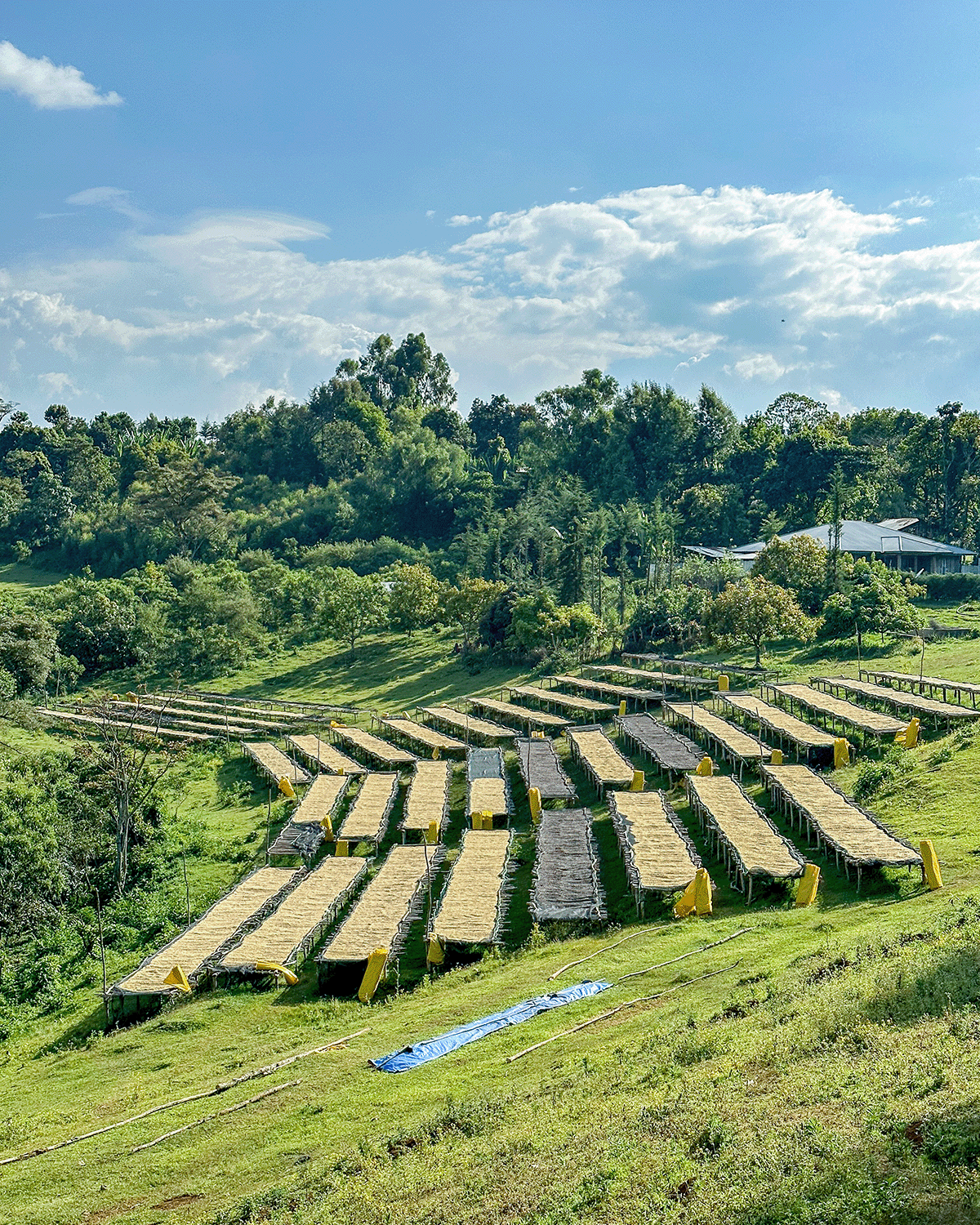
It's relatively rare to be able to offer a lot from Ethiopia with traceability to a single producer but Musa Abalulesa and his brother were able to secure licenses to sell outside of the Ethiopian Coffee Exchange -- giving them access to premiums well above commodity prices. Musa farms organically and the premiums his coffee earns have been reinvested in farm renovations, drying beds, his plant nursery, a larger warehouse and a seed production business that contributes to government seed banks.
This honey-processed lot is super complex and fun. It is heavy with red and stone fruit notes plus citrus acidity and floral overtones.
Musa's story, as told by Crop to Cup Importers, is quite remarkable:
Musa Abalulesa and his brothers, Mustefa and Gugu, each farm small holdings in Gomma, Agaro. Musa and Mustefa jointly manage two farms outside Beshasha—Koye and Chanko—on land at 2,100 meters that was once dense jungle. Before it was cleared for coffee, that parcel served as a hideout for their father, Abalulesa, a guerrilla resisting the Derg military regime. After repeated failed attempts to capture him—and mounting losses—the government placed a bounty on his head. As his health declined, Abalulesa entrusted an old friend with a final request: claim the reward by telling authorities he had killed him, in gratitude for caring for him in his last months. Abalulesa died in 1977, when Musa was two. Under a later amnesty and reconciliation program, the government granted land to the family—property his sons now farm.
In 2006, Musa won a national competition organized by the Ethiopian government among 500 selected participants. The prize sent him to AFCA in Uganda and included both cash and a hand pulper. He reinvested the money to expand his farm to 43.8 hectares. Two years later, however, the launch of the Ethiopian Commodity Exchange ended direct export, forcing him to sell locally in Agaro at commercial prices.
That shifted in 2016, when export liberalization allowed certain farmers to secure their own licenses. Crop to Cup became Musa’s first direct-sale customer that year. His success has encouraged others in the region—including Gugu—to pursue direct export in search of stronger prices.
Share